.svg)

Poland has become one of the most popular European countries for foreign workers. Due to labor shortages in sectors like manufacturing, logistics, construction, agriculture, and hospitality, Polish employers regularly hire workers from outside the European Union.
For many applicants, Poland is considered one of the easier European countries to obtain a work permit. However, the process still requires proper documentation, employer sponsorship, and visa approval.
Why Poland Is Considered Easier for Work Permits
Compared to many Western European countries, Poland offers a relatively straightforward process for foreign workers.
Some key reasons include:
- High demand for foreign workers
- Many job opportunities in blue-collar sectors
- Employer-sponsored work permits
- Multiple work permit categories
- Faster processing compared to some EU countries
Polish companies often recruit workers from Asia, Africa, and Eastern Europe to fill labor shortages.
Poland Work Permit Processing Time
The processing time for a Poland work permit usually ranges between 4 to 8 weeks, depending on the region and type of permit.
Typical timeline:
|
Step |
Estimated Time |
|
Employer submits work permit application |
1–7 days |
|
Government processing |
30–60 days |
|
Poland work visa processing |
10–15 days |
|
Total estimated timeline |
6–10 weeks |
Processing may take longer during peak hiring periods.
Types of Poland Work Permits
Poland offers several work permit types depending on the employment situation.
Type A Work Permit
This is the most common permit for foreign workers employed by a Polish company.
Seasonal Work Permit
Used for short-term jobs in agriculture, tourism, or hospitality.
Type B, C, D, and E Permits
These are mainly issued for specialized roles or workers transferred within companies.
Most foreign workers entering Poland for factory, warehouse, construction, or logistics jobs use the Type A work permit.
Basic Requirements for Poland Work Permit
To obtain a work permit in Poland, applicants generally need:
- A valid passport
- Job offer from a Polish employer
- Signed employment contract
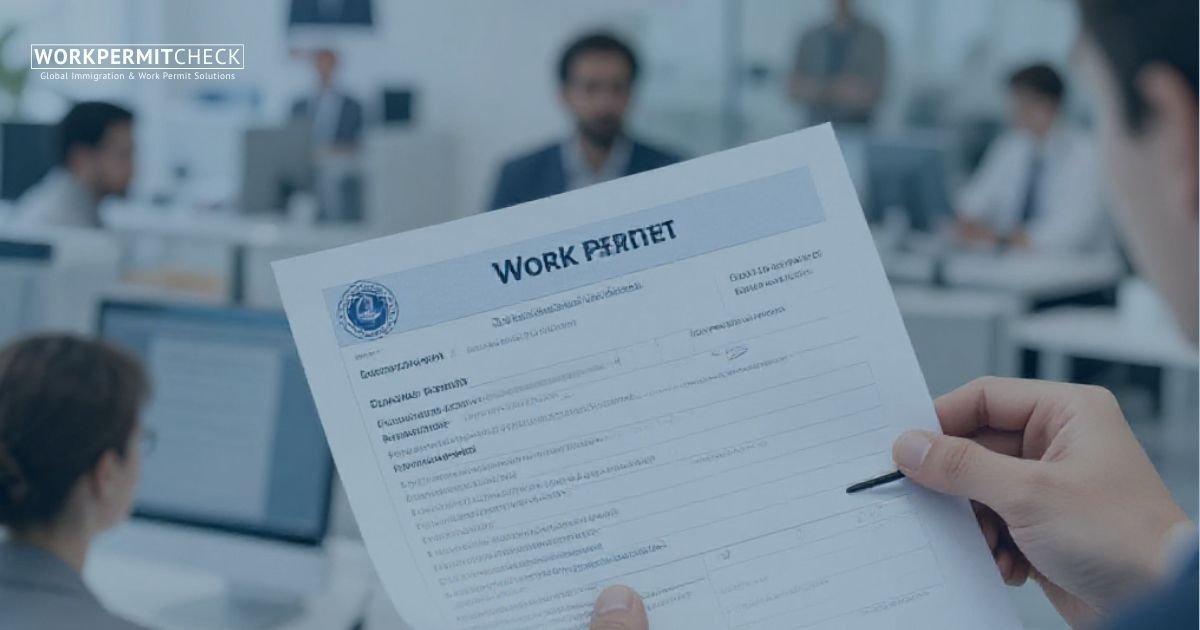
- Work permit approval from the employer
- Proof of accommodation in Poland
- Medical insurance (in some cases)
- Clean criminal record
The employer usually handles most of the work permit paperwork.
Jobs in Poland That Often Offer Work Permits
Poland regularly hires foreign workers in industries facing labor shortages.
Common jobs include:
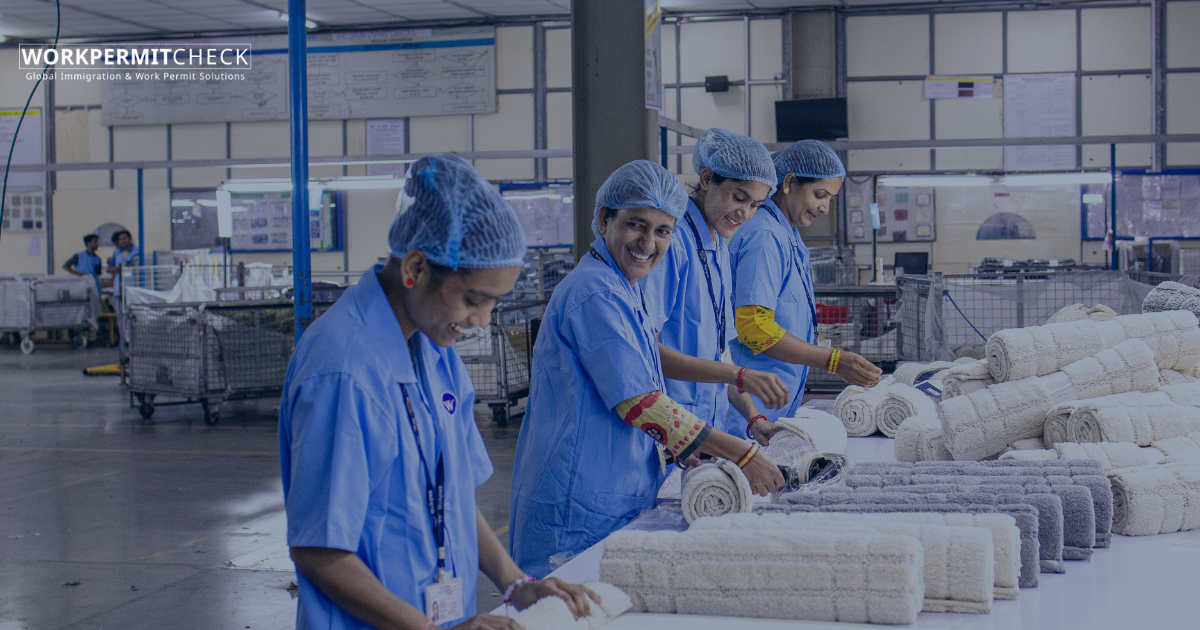
- Factory and production workers
- Warehouse workers
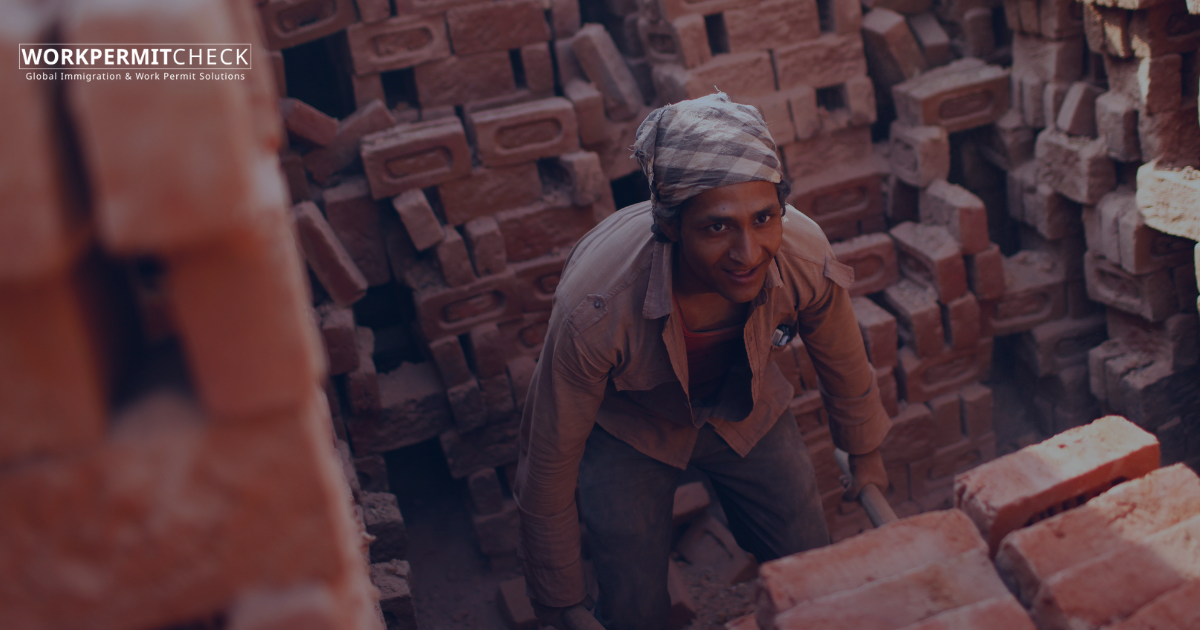
- Construction laborers
- Truck drivers
- Agricultural workers
- Hotel and restaurant staff
These roles are often available for non-EU workers through employer sponsorship.
Advantages of Working in Poland
Poland has become attractive for foreign workers due to several benefits.
- Growing job market
- Lower living costs than Western Europe
- Legal employment opportunities for non-EU nationals
- Opportunity to gain European work experience
- Pathway to longer residence permits
Many workers also use Poland as their first entry point to the European labor market.
Challenges in the Poland Work Permit Process
Although Poland is relatively accessible, some challenges still exist.
- Finding a genuine employer sponsor
- Work permit quotas in certain regions
- Longer processing times during peak seasons
- Risk of fraudulent job offers from unauthorized agents
Applicants should always verify the employer and follow legal procedures.
Tips to Increase Approval Chances
Foreign workers can improve their chances of approval by preparing carefully.
- Apply through a legitimate employer
- Ensure documents are accurate and complete
- Maintain a valid passport
- Follow embassy visa guidelines
- Avoid unverified job agents
Preparation can significantly reduce delays or visa refusals.
Conclusion
Poland is generally considered one of the easier European countries for foreign workers to obtain a work permit. The country actively recruits international workers to fill labor shortages across several industries.
While the process requires employer sponsorship and proper documentation, the overall timeline is manageable, typically taking 6 to 10 weeks from application to arrival.
For many foreign workers, Poland provides a practical and accessible gateway to employment opportunities in Europe.
March 4, 2026