.svg)

Many people believe that only highly qualified professionals can get work permits. But that is not always true.
Yes, unskilled workers can get work permits — but the rules depend on the country, labour shortages, and the type of job.
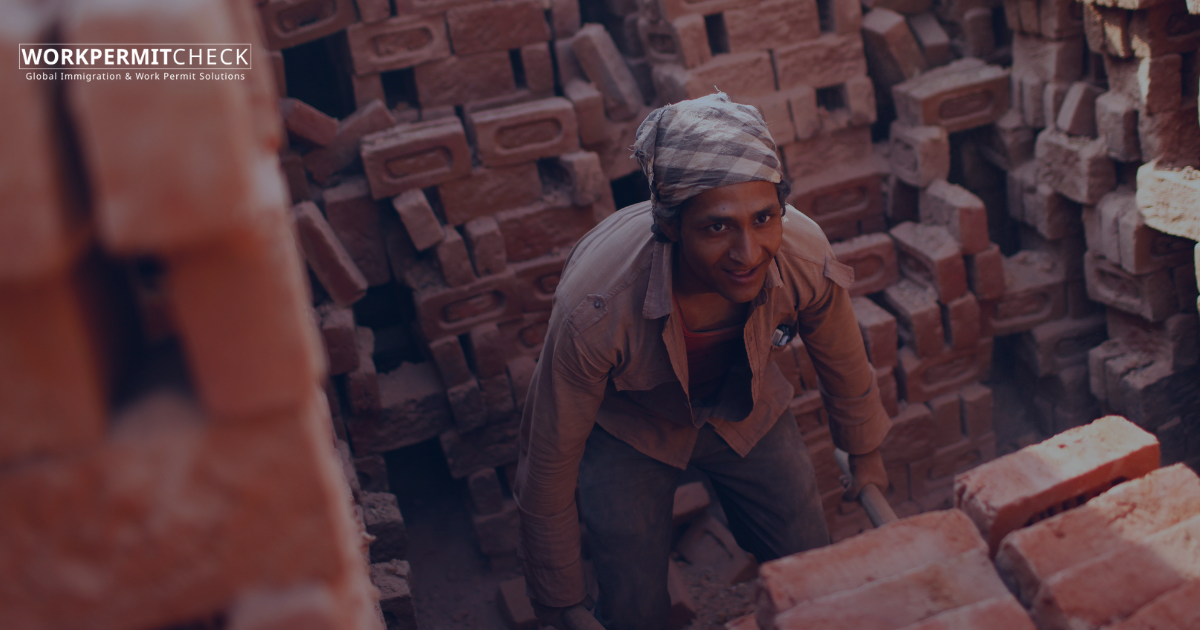
What Is an Unskilled Worker?
An unskilled worker is someone who:
- Does not require a university degree
- Does not need advanced technical certification
- Performs manual or entry-level tasks
Common examples include:
- Construction labourers
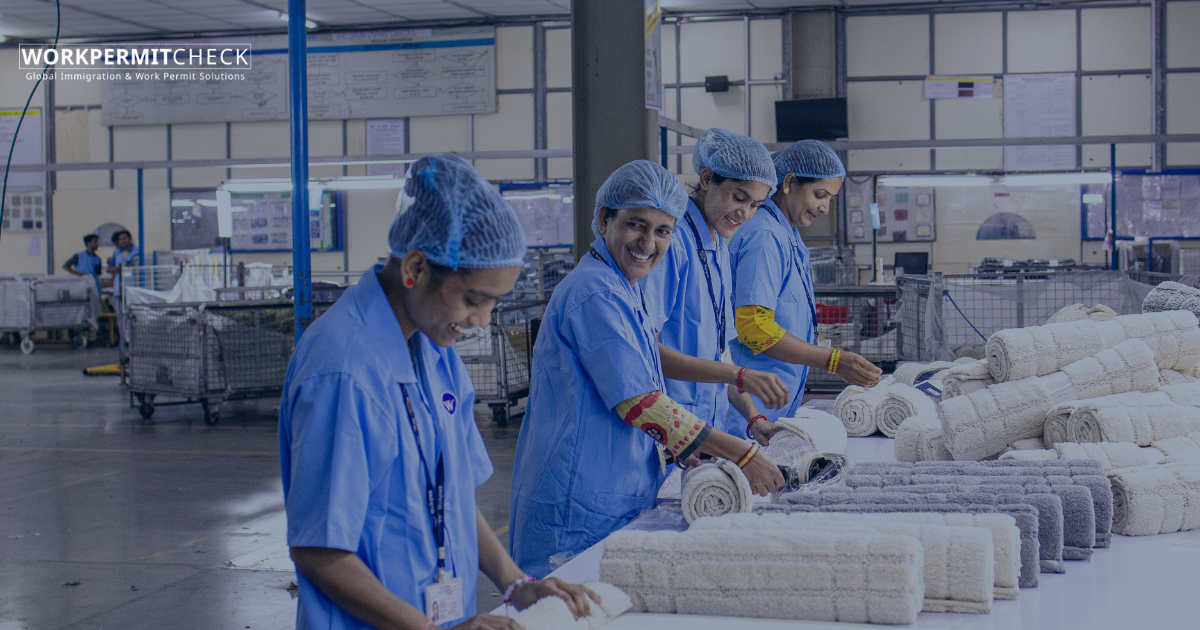
- Factory workers
- Farm workers
- Cleaners
- Warehouse helpers
- Kitchen assistants
In immigration law, these roles are often called low-skilled or elementary occupations.
Can Unskilled Workers Legally Get Work Permits?
Yes, many countries issue work permits for unskilled jobs, especially where there are labour shortages.
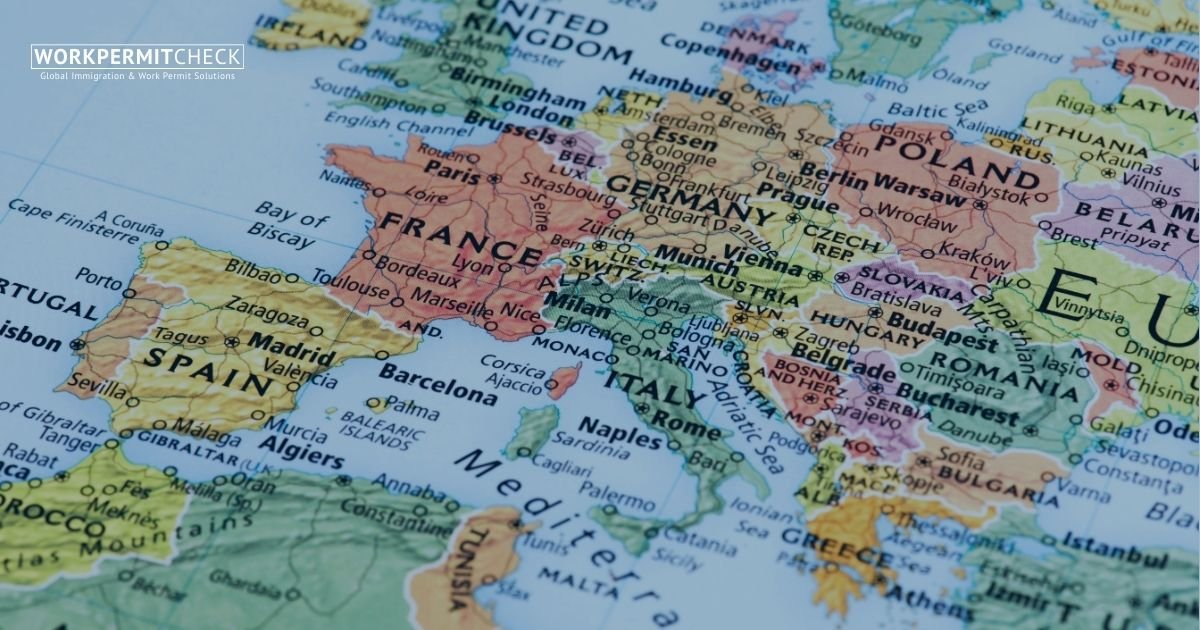
Several EU countries allow employers to sponsor non-EU workers for shortage occupations, including:
- Poland (factory, logistics, construction)
- Lithuania (warehouse, transport support)
- Romania (agriculture, hospitality)
- Croatia (tourism, seasonal work)
Outside the EU, countries such as Canada and Australia also offer temporary low-skilled or seasonal work permits.
What Are the Basic Requirements?
Even for unskilled jobs, you usually need:
- A valid job offer from an approved employer
- A work permit approval from immigration authorities
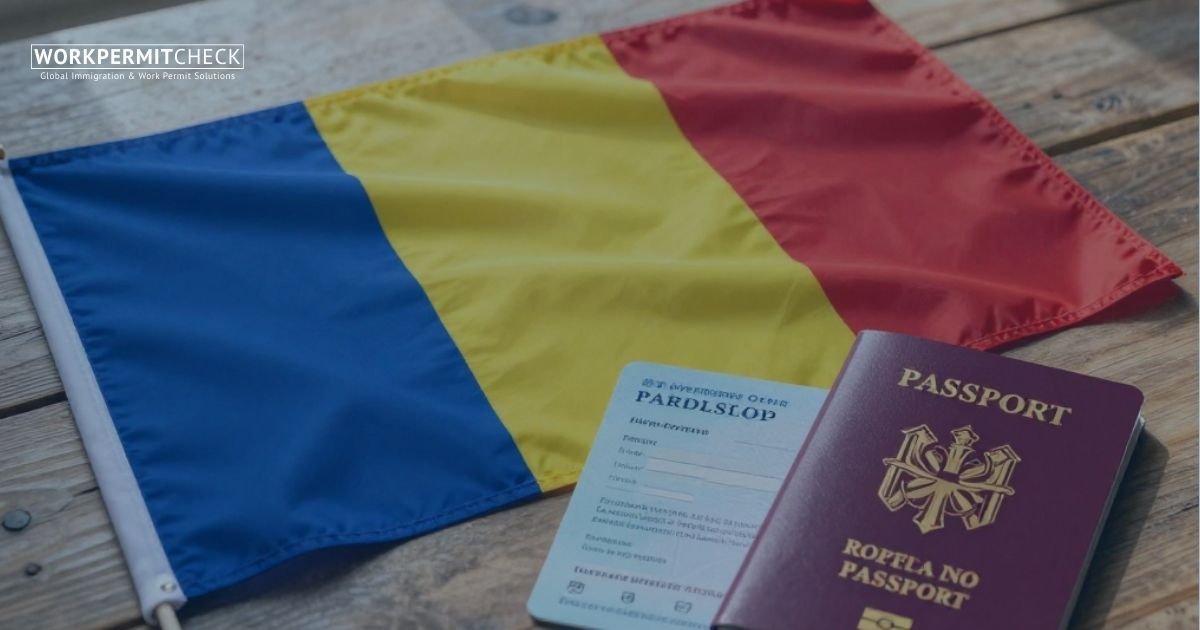
- A valid passport
- Clean criminal record
- Medical fitness certificate
- Proof of accommodation (sometimes required)
The employer typically starts the permit process.
Are There Salary Requirements?
Yes.
Most countries require employers to:
- Pay at least the minimum wage
- Follow national labour laws
- Register workers for social security
In the European Union, foreign workers must receive the same working conditions as local workers.
Is It Harder for Unskilled Workers to Get Approved?
It can be more competitive because:
- Governments prioritize skilled migration in some sectors
- Quotas may apply
- Labour market tests may be required
A labour market test means the employer must prove that no local worker is available for the job.
However, in sectors facing shortages — such as agriculture, food processing, and construction — approvals are common.
What Types of Work Permits Are Available?
Unskilled workers usually apply under:
1. Seasonal Work Permits
Valid for a few months (agriculture, tourism, harvesting).
2. Temporary Work Permits
Issued for 6–24 months, depending on the country.
3. Employer-Sponsored Work Permits
Linked to a specific employer and job role.
These permits are generally not permanent at first but may be renewable.
Can Unskilled Workers Get Permanent Residency?
It depends on the country.
In some countries:
- Long-term legal employment can lead to permanent residence.
- Continuous residence (usually 5 years in many EU states) may qualify workers for long-term EU residence status.
However, some seasonal permits do not count toward permanent residency.
Do Unskilled Workers Have Legal Protection?
Yes.
Under EU labour law:
- Workers must receive minimum wage.
- Working hours must follow legal limits.
- Employers must provide safe working conditions.
- Social security contributions must be paid.
Workers are protected regardless of skill level.
Common Sectors Hiring Unskilled Foreign Workers
High-demand sectors include:
- Construction
- Agriculture
- Food processing
- Warehousing and logistics
- Hospitality
- Cleaning services
- Manufacturing
These sectors often experience labour shortages across Europe.
Key Takeaways
- Yes, unskilled workers can get work permits.
- A job offer is usually required.
- Seasonal and temporary permits are common.
- Salary must meet legal minimum wage.
- Long-term residency depends on country rules.
If you are considering working abroad without a degree, focus on countries and sectors facing labour shortages and ensure your employer follows legal procedures.
February 27, 2026