.svg)


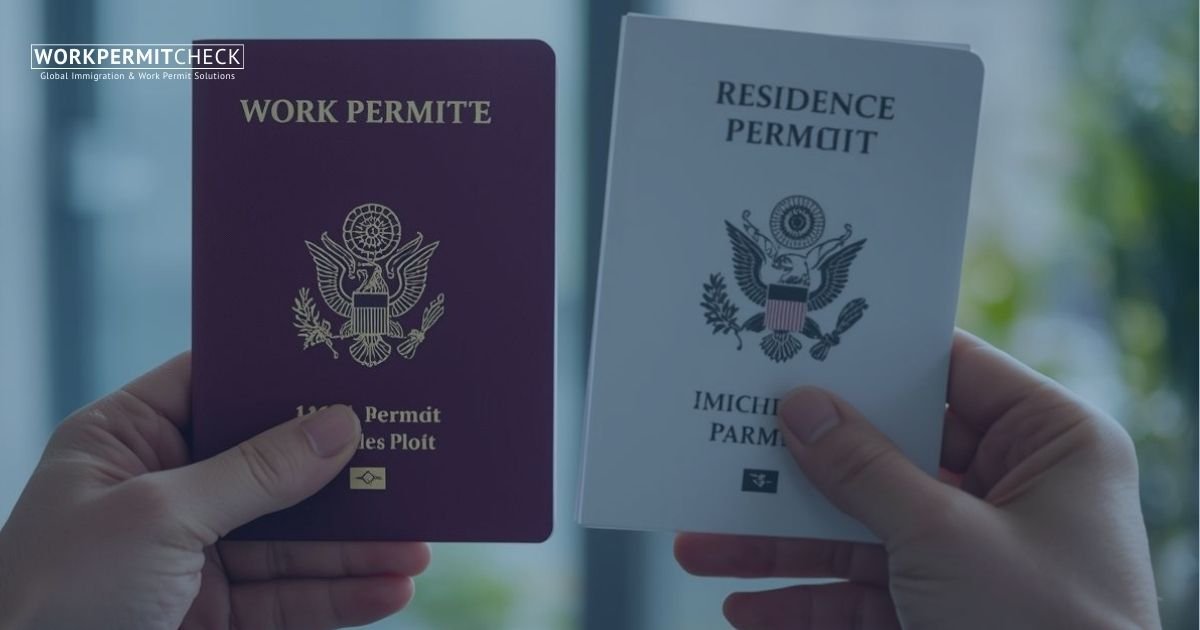
If you plan to live and work in Switzerland, your legal right to employment depends on the type of residence/work permit issued by the canton where you will work. Switzerland does not use a single “work visa” system. Instead, employment is tied to permit categories based on contract length, employer sponsorship, and residence duration.
For most foreign nationals — especially non-EU/EFTA workers — the correct permit must be approved before starting employment. Working without the right authorization can lead to fines, permit cancellation, or removal orders.
Below is a compact explanation of the three main Swiss permit types.
L Permit – Short-Term Residence (Temporary Work)
The L permit is designed for short-term or project-based employment. It is typically granted when your contract is temporary or limited in duration.
Key points:
• Valid for short stays (usually up to 12 months)
• Linked to a specific employer and canton
• Common for seasonal, internship, or contract roles
• Limited renewal options
If your job ends, your right to stay may also end. This permit is not intended for long-term settlement.
B Permit – Residence Permit (Standard Employment)
The B permit is the most common work authorization for foreign professionals in Switzerland. It is used for medium- to long-term employment and allows you to live and work legally while maintaining residency.
Key points:
• Usually issued for 1–5 years
• Renewable
• Employer-sponsored
• Counts toward permanent residence eligibility
• May require approval to change employer or canton
Most skilled foreign workers, corporate hires, and sponsored employees hold a B permit.
C Permit – Permanent Residence
The C permit provides permanent residence status and the highest level of employment freedom. It is typically granted after several years of lawful stay and integration in Switzerland.
Key points:
• Indefinite validity
• Work for any employer
• No job restrictions
• Greater mobility and stability
• Usually available after 5–10 years (depending on nationality)
This permit offers long-term security and fewer administrative restrictions.
Quick Summary
In practical terms:
• L = short-term work
• B = standard long-term employment
• C = permanent residence and full labor access
Choosing the wrong permit type — or working outside your permit conditions — can create compliance risks.
Common Compliance Risks in Switzerland
Swiss authorities strictly enforce employment rules. Problems often occur when:
• Workers change employers without approval
• Employment starts before permit issuance
• Work is performed in a different canton
• Quota limits are exceeded
• Job offers or permits are not genuine
Even small mismatches between contract and permit conditions can cause legal issues.
How WorkPermitCheck Helps
WorkPermitCheck provides independent work permit verification to help applicants and employers confirm:
• Permit authenticity
• Employer sponsorship validity
• Canton alignment
• Role and contract consistency
• Documentation completeness
We do not issue permits or visas. We help verify compliance and reduce risk before travel or employment.
Frequently Asked Questions
Which Swiss permit is most common for foreign workers?
The B permit is the standard permit for long-term employment.
Can I switch employers with an L or B permit?
Usually you must obtain authorization or apply for a new permit before changing jobs.
Does the C permit allow free employment?
Yes. C permit holders can work for any employer without restrictions.
Are Swiss work permits subject to quotas?
Yes. Many permits for non-EU/EFTA nationals are limited by annual quotas.
Can I start working before the permit is approved?
No. Employment must begin only after official approval.
Disclaimer
This content is for informational purposes only and does not constitute legal or immigration advice. Swiss work permit rules vary by canton, nationality, and employment conditions. Always confirm official requirements with Swiss migration authorities. WorkPermitCheck provides independent verification support only and does not issue work permits or visas.
February 10, 2026