.svg)


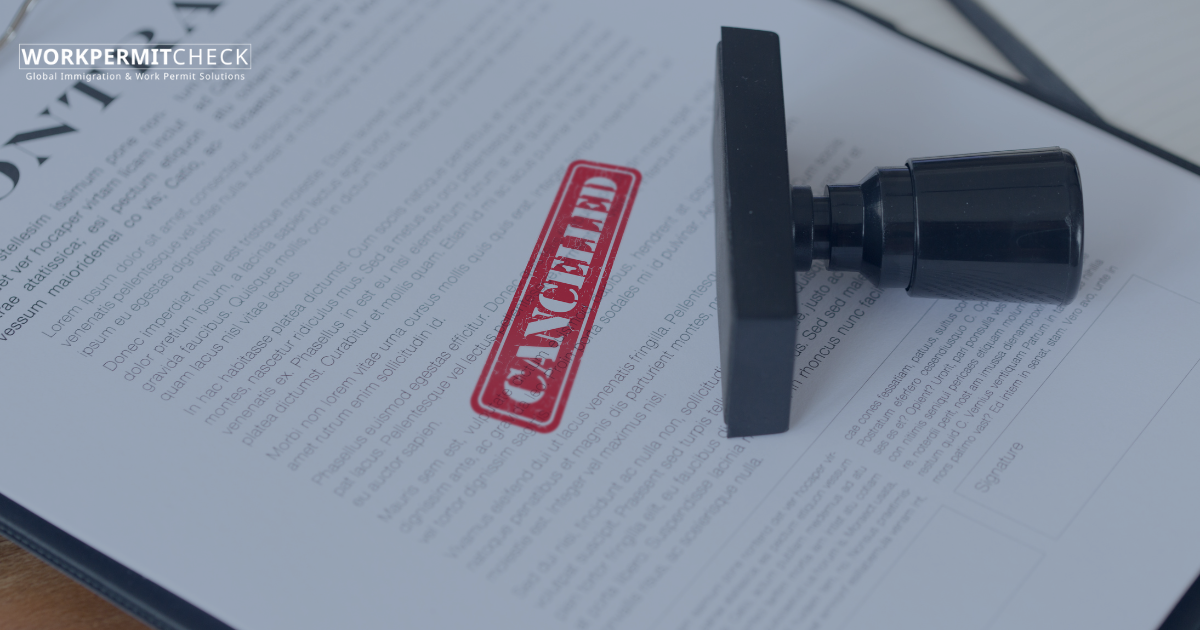
Working in Luxembourg without proper authorization can lead to serious legal consequences for both employees and employers. Luxembourg has strict labour and immigration laws designed to protect its workforce and prevent illegal employment. Foreign nationals must hold valid residence and work authorization before starting any job in the country.
This article explains what constitutes illegal work in Luxembourg, the penalties involved, and how to remain compliant with immigration laws.
What Is Considered Illegal Work in Luxembourg?
You may be considered working illegally in Luxembourg if you:
• Work without a valid residence permit or work authorization
• Begin employment before your permit is approved
• Work for an employer not listed on your permit
• Work beyond permitted hours or job role
• Continue working after your permit expires
• Hold a tourist or visitor visa while working
Both the employee and employer can face penalties for non-compliance.
Penalties for Workers Engaged in Illegal Employment
Foreign nationals found working illegally in Luxembourg may face:
1. Fines
Workers can be fined depending on the severity of the violation and duration of illegal employment.
2. Deportation or Removal Orders
Authorities may issue a deportation order, requiring the individual to leave Luxembourg and the Schengen Area.
3. Entry Bans
In serious cases, individuals may receive a temporary or long-term ban from entering Luxembourg or other Schengen countries.
4. Loss of Future Visa Eligibility
A record of illegal employment can negatively affect future visa or residence permit applications within the EU.
Penalties for Employers Hiring Illegal Workers
Luxembourg enforces strict penalties on employers who hire unauthorized workers, including:
• Heavy financial fines
• Criminal charges in serious cases
• Business license suspension or revocation
• Ban on hiring foreign workers
• Mandatory payment of unpaid wages and social contributions
Employers may also be held responsible for accommodation or repatriation costs.
How Authorities Detect Illegal Employment
Luxembourg authorities actively monitor compliance through:
• Workplace inspections
• Social security and tax audits
• Cross-checks between immigration and labor departments
• Anonymous reporting and whistleblower mechanisms
Even short-term or informal work arrangements are monitored.
How to Avoid Legal Issues in Luxembourg
To stay compliant:
• Always obtain the correct work and residence permit before starting employment
• Ensure your employer has registered your employment properly
• Do not work outside your approved job role
• Renew permits before they expire
• Keep copies of all legal documentation
If unsure, always seek clarification before accepting any job offer.
How WorkPermitCheck Can Help
At WorkPermitCheck, we help individuals and employers understand:
• Legal work requirements in Luxembourg
• Correct permit categories
• Risks of non-compliance
• Proper documentation and procedures
Our guidance helps you avoid penalties and ensures a smooth, lawful employment process.
Final Thoughts
Working illegally in Luxembourg can result in serious legal and financial consequences. Understanding the rules and securing the correct permits before starting work is essential for protecting your future in Europe.
Always verify your work authorization status before accepting employment.
FAQs
1. What happens if I work in Luxembourg without a permit??
You may face fines, removal from the country, and possible bans on future entry into Luxembourg or the Schengen Area.
2. Can I work while my residence permit is still under process??
No. Working before receiving official authorization is considered illegal in most cases.
3. Are employers also penalized for illegal employment??
Yes. Employers can face heavy fines, legal action, and restrictions on hiring foreign workers.
4. Can illegal work affect future visa applications??
Yes. A record of illegal employment can negatively impact future visa or residence permit approvals.
Disclaimer
This information is provided for general guidance only and does not constitute legal advice. Immigration laws and enforcement practices in Luxembourg may change. For official guidance, always consult Luxembourg authorities or a qualified immigration professional.
January 2, 2026