.svg)

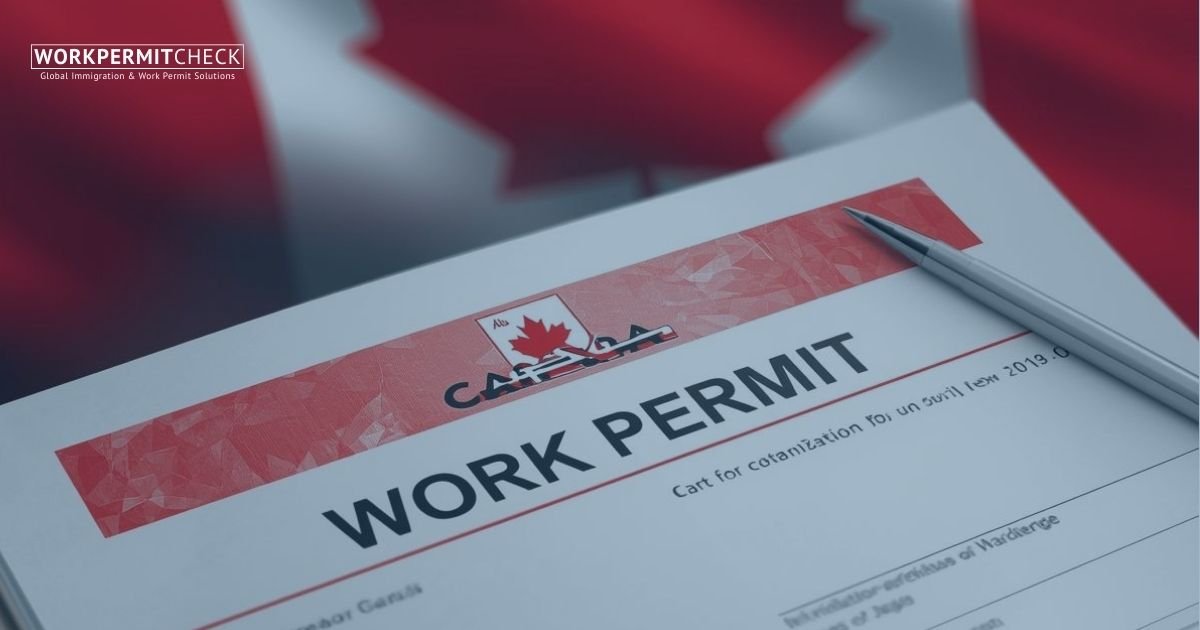
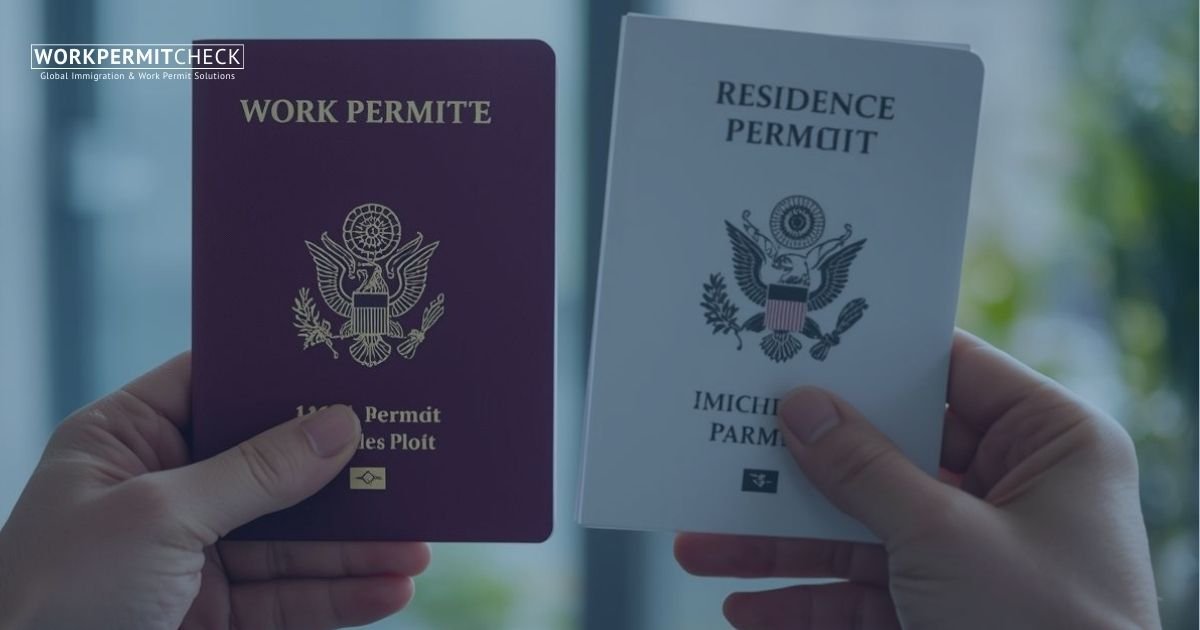
An open work permit is a type of work authorization that allows a foreign worker to work for any employer in a country, without being tied to one specific company or job role.
Unlike regular work permits, an open work permit gives more freedom, flexibility, and job mobility.
How Is an Open Work Permit Different from a Regular Work Permit?
A regular (employer-specific) work permit:
- Is linked to one employer
- Is valid only for one job
- Requires a new permit if you change jobs
An open work permit:
- Is not linked to a single employer
- Allows job changes without reapplying
- Offers more worker protection
Who Can Apply for an Open Work Permit?
Open work permits are not available to everyone. They are usually issued under special categories.
Common eligible groups include:
- Spouses of international students or skilled workers
- International graduates (post-study work permits)
- Refugees or humanitarian applicants
- Certain permanent residence applicants
- Young workers under working holiday programs
Each country has its own rules and eligibility criteria.
Which Countries Offer Open Work Permits?
Open work permits are more common in non-EU countries but limited versions exist in some European programs.
Countries known for open work permits include:
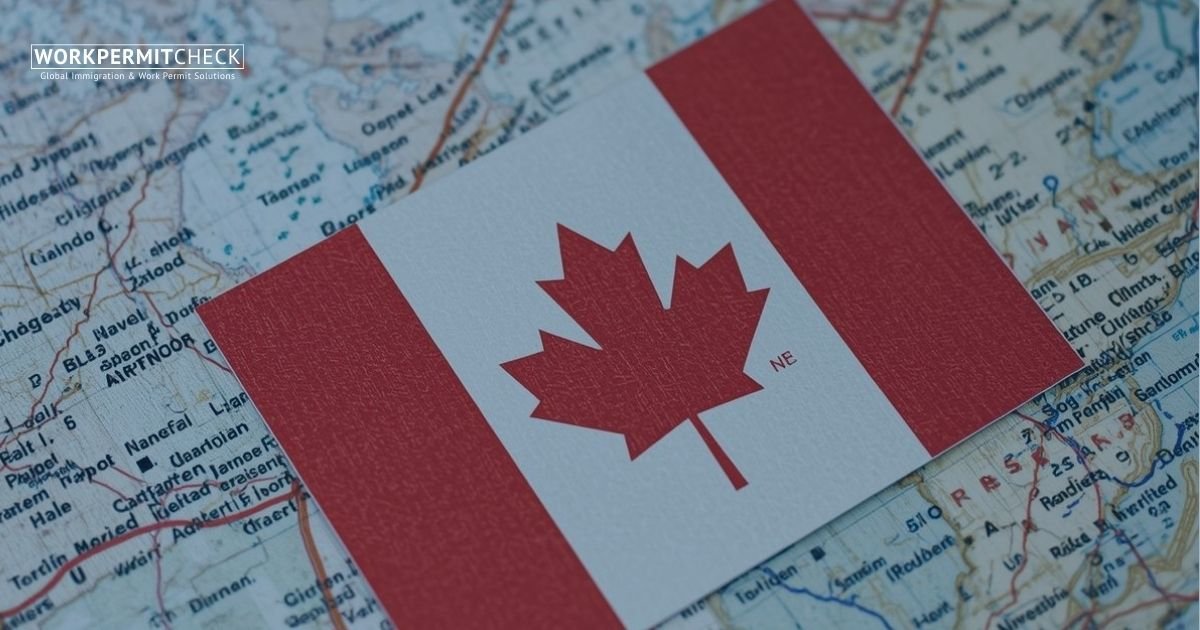
- Canada
- Australia (temporary graduate visas)
- New Zealand
- Some EU countries (limited cases, family or study-related)
In most EU countries, work permits remain employer-specific.
What Jobs Can You Do on an Open Work Permit?
With an open work permit, you can work in:
- Skilled jobs
- Unskilled or low-skilled jobs
- Part-time or full-time roles
- Temporary or permanent positions
However, some restricted jobs (like security or government roles) may not be allowed.
Benefits of an Open Work Permit
Job Flexibility
You can change employers freely without applying for a new permit.
Better Worker Rights
Workers are less dependent on one employer, reducing exploitation risk.
Faster Job Access
You can start working immediately after arrival or approval.
Career Growth
Easier to switch industries or improve your job profile.
Limitations of an Open Work Permit
- Usually time-limited
- Not available for all visa categories
- Does not always lead directly to permanent residence
- May have job or sector restrictions
Always check the conditions written on your permit.
Open Work Permit vs EU Blue Card
An open work permit:
- Does not require a job offer
- Allows multiple employers
- Often temporary
An EU Blue Card:
- Requires a high-skilled job offer
- Is employer-linked
- Designed for professionals
They serve very different purposes.
Can an Open Work Permit Lead to Permanent Residence?
In many countries, yes.
If you:
- Gain legal work experience
- Pay taxes and social contributions
- Meet residency requirements
You may become eligible for permanent residence or long-term visas.
Is an Open Work Permit Better Than a Sponsored Work Permit?
It depends on your situation.
Open work permits are better if you want:
- Job freedom
- Flexibility
- Less dependence on one employer
Sponsored permits are better if:
- You already have a stable job offer
- You are applying through a shortage occupation
Final Thoughts
An open work permit offers flexibility and freedom, but it is available only under specific conditions. Understanding eligibility rules is essential before applying.
Always choose the permit type that matches your long-term work and migration goals.
January 30, 2026