.svg)

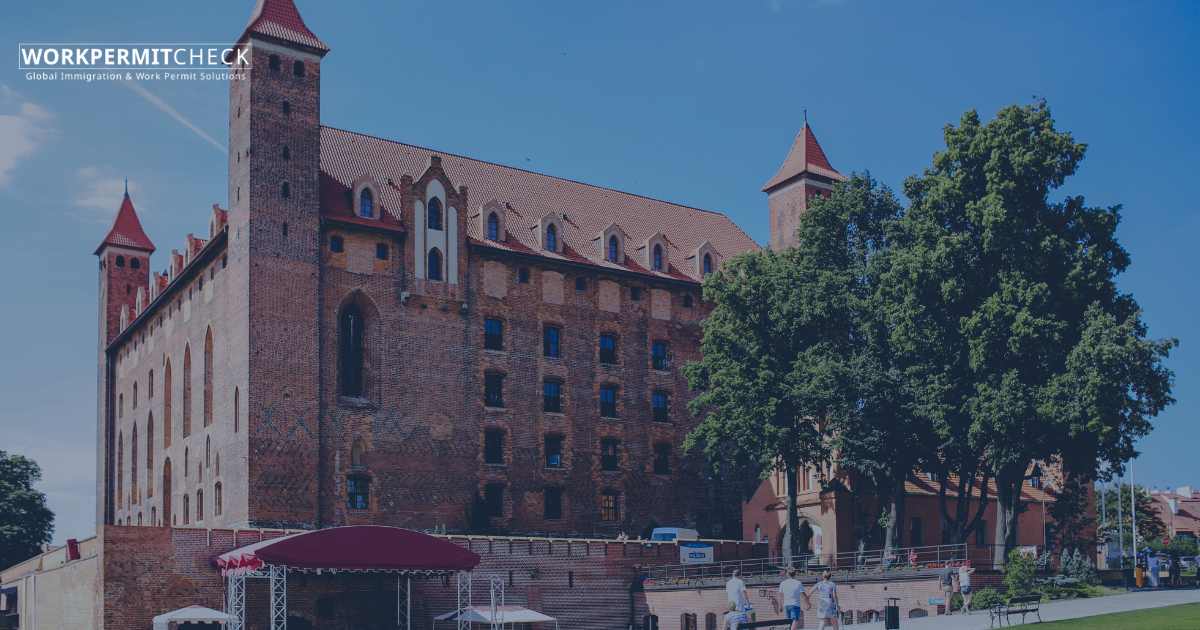
Many foreign workers choose Poland for its strong job market, growing economy, and long-term settlement opportunities. A common question among foreign professionals is whether working in Poland can eventually lead to Polish citizenship.
The answer is yes — but only after meeting specific legal and residency requirements. This guide explains how employment in Poland can lead to permanent residence and, eventually, Polish citizenship.
Understanding Polish Citizenship Pathways
Poland does not grant citizenship automatically through employment. However, legal work and long-term residence can help you qualify for citizenship through one of the following paths:
• Citizenship by naturalization
• Citizenship by presidential grant
• Citizenship by descent (for those with Polish ancestry)
For most foreign workers, the naturalization route is the most relevant.
Step 1: Work Legally in Poland
Before applying for citizenship, you must first hold a valid legal status in Poland. This usually begins with:
• A valid work permit or EU Blue Card
• A temporary residence permit linked to employment
• Continuous legal stay without overstays or violations
Your employment must be registered, and all taxes and social contributions must be paid.
Step 2: Obtain Permanent Residence
To be eligible for Polish citizenship, most foreign workers must first obtain permanent residence.
You may qualify for permanent residence if you:
• Have legally lived and worked in Poland for at least 5 consecutive years
• Hold a temporary residence permit throughout this period
• Have stable income and accommodation
• Are covered by health insurance
Certain groups, such as spouses of Polish citizens or holders of Polish origin (Karta Polaka), may qualify faster.
Step 3: Meet the Residency Requirement for Citizenship
After obtaining permanent residence, you may apply for Polish citizenship through naturalization if you meet one of the following conditions:
• 3 years of continuous residence in Poland with permanent residence and a stable income
• 2 years of residence if married to a Polish citizen
• 10 years of continuous legal residence in Poland under various permits
Time spent working legally in Poland counts toward these residency periods.
Additional Requirements for Polish Citizenship
To apply for citizenship, you must also:
• Demonstrate knowledge of the Polish language (B1 level or higher)
• Show proof of stable income and accommodation
• Have a clean criminal record
• Be integrated into Polish society
Language proficiency is usually proven through an official state exam or recognized certificate.
Does Working in Poland Guarantee Citizenship?
No. Employment alone does not guarantee citizenship. However, long-term legal employment is one of the strongest foundations for qualifying for permanent residence and, later, citizenship.
Working legally helps you:
• Build continuous residence history
• Contribute to social security
• Meet income and tax requirements
• Strengthen your application credibility
How Long Does the Entire Process Take?
The timeline varies by individual case but generally looks like this:
• 3–5 years: Temporary residence and work
• 1–3 additional years: Permanent residence
• 2–3 years: Eligibility for citizenship
In total, the process may take 5 to 10 years, depending on your situation.
How WorkPermitCheck Can Help
At WorkPermitCheck, we guide foreign nationals through every stage of their journey in Poland, including:
• Understanding work permit and residence requirements
• Verifying eligibility for permanent residence
• Clarifying citizenship pathways
• Avoiding common documentation mistakes
Our goal is to help you make informed, compliant decisions at every stage.
Final Thoughts
Yes, it is possible to apply for Polish citizenship after working in Poland — but only if you meet the legal residency, employment, and integration requirements. Careful planning and compliance with Polish immigration laws are essential for success.
For accurate guidance and up-to-date information, rely on trusted sources and professional support.
Frequently Asked Questions (FAQs)
1. Can I apply for Polish citizenship immediately after getting a job in Poland?
No. Employment alone does not make you eligible for citizenship. You must first live and work legally in Poland for several years, obtain permanent residence, and meet other legal requirements before applying for citizenship.
2. How long do I need to live in Poland before applying for citizenship?
In most cases, you must legally reside in Poland for at least 5 years, followed by permanent residence. Some applicants, such as spouses of Polish citizens, may qualify sooner.
3. Does working in Poland automatically lead to permanent residence?
No. Working in Poland helps build eligibility, but you must separately apply for a temporary residence permit, then a permanent residence permit, before qualifying for citizenship.
4. Is Polish language knowledge required for citizenship?
Yes. Applicants must usually demonstrate Polish language proficiency at B1 level or higher, confirmed through an official examination or recognized certificate.
5. Can my family apply for Polish citizenship with me?
Family members may apply separately if they meet residence and legal requirements. Spouses of Polish citizens may qualify under simplified rules.
6. Does time spent studying or working in Poland count toward citizenship?
Yes. Time spent legally residing in Poland — including work or study — can count toward long-term residence, provided all permits were valid and uninterrupted.
Disclaimer
The information provided on this page is for general guidance purposes only and does not constitute legal or immigration advice. Immigration laws, residence requirements, and citizenship policies in Poland may change without prior notice and can vary depending on individual circumstances.
WorkPermitCheck does not provide legal representation or guarantee immigration outcomes. Applicants are advised to consult official Polish authorities or qualified immigration professionals before making decisions related to residence or citizenship applications.
December 31, 2025