.svg)


Many fresh graduates wonder if they can legally work abroad right after completing their studies. The short answer is yes — fresh graduates can apply for work permits, but the rules depend on the country, job role, and eligibility criteria.
What Is a Work Permit?
A work permit is an official authorization that allows a foreign national to work legally in another country for a specific employer, role, and duration. It is usually linked to a job offer and approved by the immigration or labor authority of that country.
Can Fresh Graduates Apply for Work Permits?
Yes, fresh graduates can apply for work permits in many countries. However, approval depends on several factors such as education level, job demand, employer sponsorship, and language skills.
Fresh graduates are more successful when:
- The job is listed as a skill-shortage or high-demand role
- The employer is willing to sponsor a work permit
- The graduate meets minimum qualification and language requirements
Which Countries Allow Work Permits for Fresh Graduates?
Several countries allow fresh graduates to apply for work permits, especially in shortage occupations or entry-level roles.
Common examples include:
- Germany (for skilled professions and traineeships)
- Canada (employer-sponsored work permits)
- Australia (temporary skill visas and graduate streams)
- Poland, Lithuania, Latvia (entry-level and blue-collar roles)
- Gulf countries (company-sponsored employment visas)
Each country has its own rules, so eligibility must be checked case by case.
Do Fresh Graduates Need Work Experience?
Not always. While many work permits require experience, some pathways are open to fresh graduates:
- Graduate trainee or internship visas
- Entry-level skilled jobs
- Shortage occupation roles
- Employer-led sponsorships
- Post-study work to work-permit conversion
However, having internships, practical training, or certifications greatly improves approval chances.
What Are the Basic Eligibility Requirements?
Although requirements vary by country, most work permit applications need:
- A valid job offer or employment contract
- Recognized educational qualification
- Employer sponsorship or labor approval
- Proof of language ability (if required)
- Clean criminal record
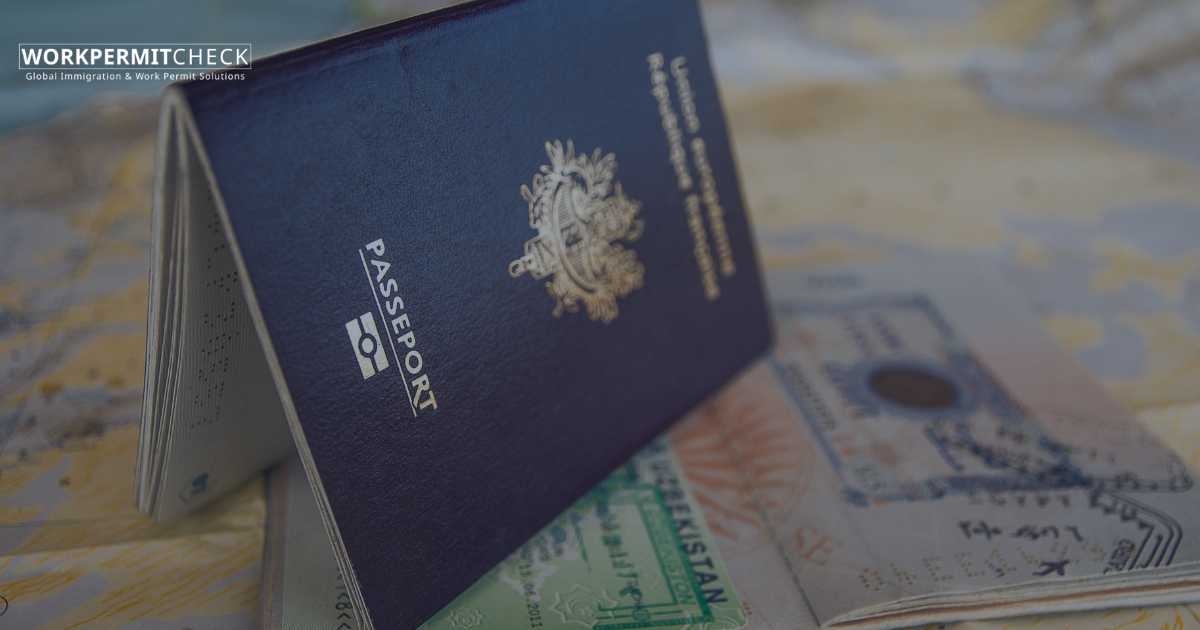
- Valid passport
Some countries also require labor market tests to prove no local worker is available.
Can Fresh Graduates Apply Without a Job Offer?
In most cases, no. A job offer is mandatory for standard work permits.
Exceptions may include:
- Job seeker visas (limited countries)
- Post-study work visas
- Points-based immigration programs (with later job search)
For most fresh graduates, securing a job offer first is the safest and fastest route.
Are There Work Permits for Blue-Collar or Entry-Level Jobs?
Yes. Many countries offer work permits for entry-level or blue-collar jobs where experience requirements are low.
Examples include:
- Factory workers
- Warehouse assistants
- Hospitality staff
- Construction helpers
- Care assistants
These roles often focus more on physical ability and basic training rather than prior experience.
What Is the Difference Between Post-Study Work and Regular Work Permits?
Post-study work visas are issued to international students who studied in that country. Regular work permits are for applicants applying from outside.
Key differences:
- Post-study work does not require employer sponsorship initially
- Regular work permits usually require a job offer before applying
- Post-study work is time-limited but flexible
Fresh graduates applying from their home country usually need a regular work permit.
Common Mistakes Fresh Graduates Should Avoid
- Applying without a valid job offer
- Ignoring country-specific eligibility rules
- Using fake or unverified agents
- Applying for roles not matching qualifications
- Submitting incomplete documents
Proper guidance and document verification are critical.
How Can WorkPermitCheck Help Fresh Graduates?
WorkPermitCheck helps fresh graduates:
- Check country-wise work permit eligibility
- Understand job and visa requirements clearly
- Avoid fake offers and visa fraud
- Get guidance on legal work permit pathways
This ensures your application is accurate, compliant, and realistic.
Final Thoughts
Fresh graduates can absolutely apply for work permits, but success depends on choosing the right country, job role, and legal pathway. Starting with realistic options, verified employers, and proper documentation gives you the best chance of approval.
If you are a fresh graduate planning to work abroad, always verify eligibility before applying.
February 11, 2026