.svg)

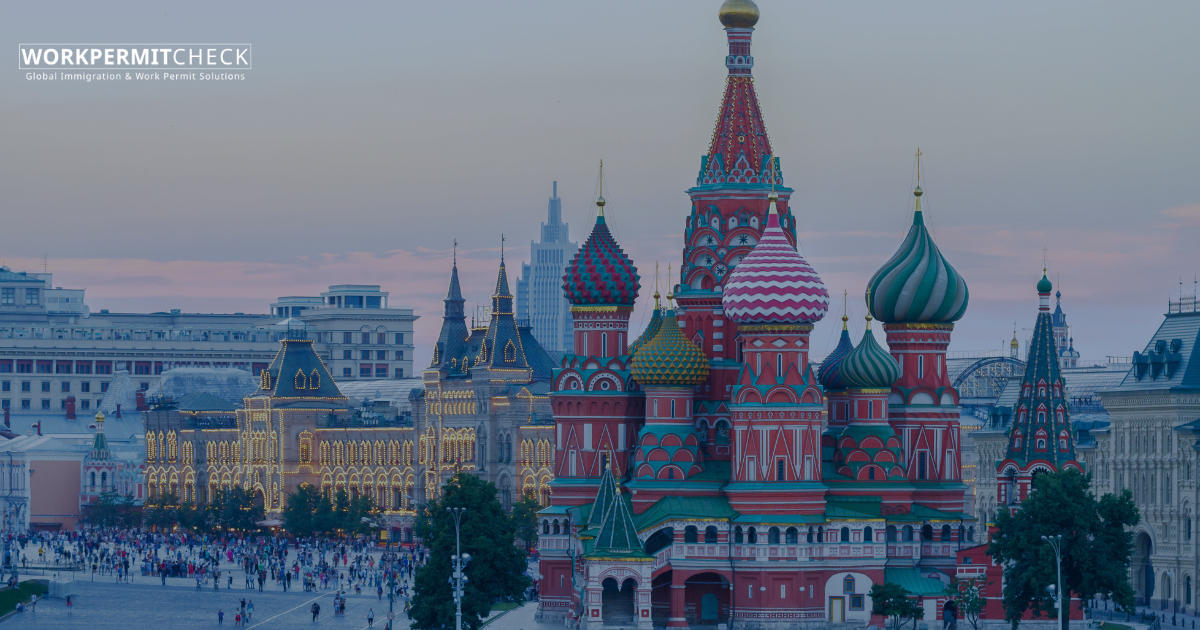
Many foreign nationals can enter Russia without a visa for short visits. However, visa-free entry does not automatically allow employment.
Even if a traveler can enter Russia without a visa, legal authorization is still required to work.
At WorkPermitCheck, this misunderstanding is common among applicants who believe visa-free travel automatically permits employment. In reality, immigration law treats entry permission and employment authorization separately.
What Does Visa-Free Entry Mean?
Visa-free entry means that citizens of certain countries can travel to Russia for short stays without applying for a visa beforehand.
These visits are typically allowed for purposes such as:
• Tourism
• Business meetings
• Visiting family
• Short-term travel
Visa-free entry does not grant permission to work.
Do Visa-Free Nationals Need Work Authorization?
Yes. Foreign nationals who enter Russia without a visa still need proper authorization to work legally.
Depending on nationality and employment conditions, this may include:
• Work permits issued to employers
• Work patents (for certain visa-free nationals)
• Residence permits linked to employment
Working without authorization is illegal regardless of visa status.
What Is a Work Patent?
Some visa-free nationals working in Russia must obtain a work patent, which is a special type of work authorization allowing individuals to work for employers or private individuals.
Work patents typically require:
• Registration after arrival
• Payment of monthly fees or taxes
• Valid migration documentation
Eligibility depends on nationality and immigration rules.
What Is a Standard Work Permit?
Foreign nationals who require a visa to enter Russia typically obtain a work permit sponsored by an employer.
The employer submits the application and provides documentation to immigration authorities.
Both the employer and employee must comply with labor and migration laws.
Important Difference: Entry vs Employment Authorization
Visa-free travel allows entry into the country, but employment requires separate authorization.
For example:
• Visa-free entry allows temporary visits.
• Work permits or patents authorize employment.
Confusing these two categories can lead to immigration violations.
Penalties for Working Without Authorization
Foreign nationals who work without proper authorization may face:
• Administrative fines
• Deportation
• Entry bans
• Immigration record violations
Employers may also face legal penalties.
Common Mistakes Applicants Make
Foreign workers sometimes assume they can work because:
• Their nationality allows visa-free travel
• They have a business visa
• An employer promises to “fix paperwork later”
Starting employment without authorization can lead to legal consequences.
Why Verification Matters
Before accepting employment abroad, it is important to verify:
• Employer sponsorship procedures
• Work authorization category
• Permit or patent eligibility
• Immigration compliance requirements
Mistakes can affect future visa or residence applications.
How WorkPermitCheck Helps
WorkPermitCheck provides independent verification support to help:
• Confirm employer legitimacy
• Review employment contracts
• Identify work authorization requirements
• Detect documentation risks
• Reduce immigration compliance issues
We do not issue permits. We verify authenticity and compliance indicators.
Key Takeaway
Visa-free nationals entering Russia still need proper work authorization to work legally.
Visa-free entry allows travel, but employment requires a valid permit or work patent.
Understanding this distinction helps avoid immigration violations.
Frequently Asked Questions
Can visa-free travelers work in Russia?
No, unless they obtain proper work authorization.
What is a work patent?
A work patent is a type of work authorization used by certain visa-free nationals.
Do employers sponsor work permits?
Yes, employers typically sponsor work permit applications.
Can someone work while visiting on a visa-free stay?
No. Employment requires authorization.
Are there penalties for working without authorization?
Yes, including fines, deportation, and entry bans.
Disclaimer
This article is for informational purposes only and does not constitute legal or immigration advice. Russia immigration rules may change and vary depending on nationality and individual circumstances. Always confirm official requirements with relevant authorities. WorkPermitCheck provides independent verification support and does not issue visas or work permits.
March 10, 2026