.svg)


Foreign nationals planning to stay and work in Poland often come across the term Karta Pobytu (residence card).
The short answer is: yes, in many cases, you will need a Karta Pobytu if you plan to stay in Poland long-term.
At WorkPermitCheck, applicants frequently confuse visas with residence cards. Understanding the difference is essential for legal stay and employment.
What Is a Karta Pobytu?
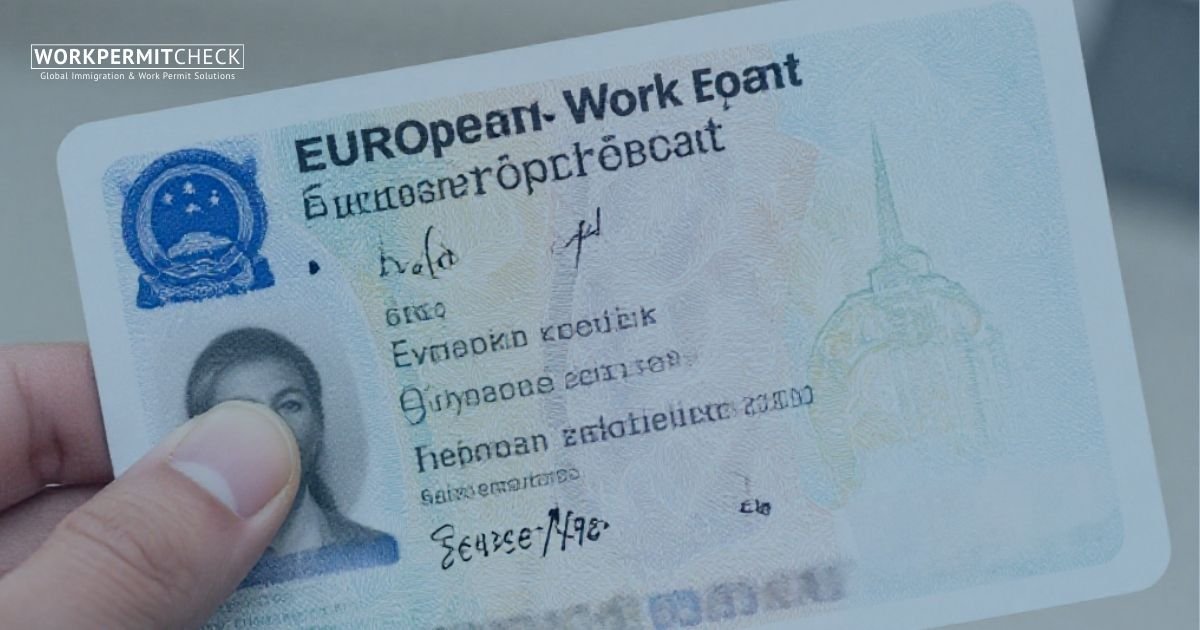
A Karta Pobytu is a physical residence card issued to foreign nationals that proves their legal stay in Poland.
It is typically granted after obtaining a temporary or permanent residence permit.
The card serves as:
• Proof of legal residence
• Identification document within Poland
• Evidence of the right to stay and sometimes work
Who Needs a Karta Pobytu?
You generally need a Karta Pobytu if you:
• Plan to stay in Poland for more than 90 days
• Hold a work permit or employment contract
• Apply for temporary or permanent residence
• Want to live in Poland beyond a short-term visa
It is mainly required for non-EU/EEA nationals.
Difference Between Visa and Karta Pobytu
Many applicants confuse these two documents:
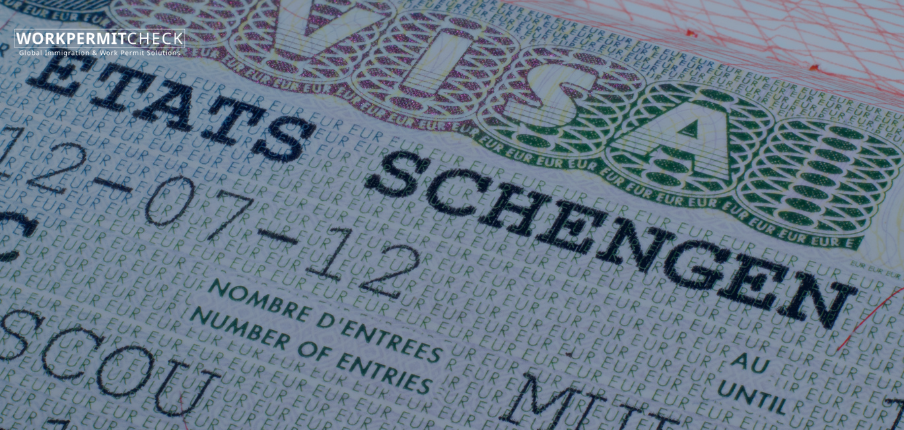
• A visa allows entry into Poland
• A Karta Pobytu allows long-term residence after arrival
In most cases:
1 You enter Poland with a visa
2 You apply for a residence permit
3 You receive a Karta Pobytu as proof of that permit
Types of Residence Cards in Poland
The Karta Pobytu may be issued under different categories:
• Temporary residence permit
• Permanent residence permit
• EU long-term residence permit
The type depends on your immigration status.
Is It Required for Work in Poland?
If you are staying long-term for employment:
• You will typically need both a work permit and residence permit
• The Karta Pobytu confirms your legal stay
Some workers may initially work on a visa but must apply for residence if staying longer.
Benefits of the Karta Pobytu
Holding a Karta Pobytu provides several advantages:
• Legal long-term stay in Poland
• Ability to travel within the Schengen Area for short stays
• Easier access to services (banking, housing, etc.)
• Proof of identity within Poland
When You May Not Need It
You may not need a Karta Pobytu if you:
• Are staying short-term (under 90 days)
• Hold a valid short-term visa only
• Are an EU/EEA citizen
However, long-term residents usually require it.
Common Mistakes Applicants Make
Applicants often face issues when they:
• Rely only on a visa for long-term stay
• Delay applying for residence permits
• Confuse work authorization with residence status
• Submit incomplete documentation
Timely application is essential.
Why Verification Matters
Before applying, it is important to verify:
• Immigration status and permit type
• Work authorization
• Residence requirements
• Documentation completeness
Errors can affect legal stay.
How WorkPermitCheck Helps
WorkPermitCheck provides independent verification support to help:
• Review employment and residence documentation
• Identify compliance risks
• Verify permit classification
• Ensure documentation readiness
We do not issue residence cards. We verify authenticity and compliance indicators.
Key Takeaway
A Karta Pobytu is generally required for foreign nationals who want to stay in Poland long-term for work or residence.
It serves as official proof of legal stay and is essential for maintaining immigration compliance.
Frequently Asked Questions
What is a Karta Pobytu?
It is a residence card proving legal stay in Poland.
Do I need it to work in Poland?
Yes, if you are staying long-term.
Is it the same as a visa?
No. A visa allows entry, while the Karta Pobytu confirms residence.
Can I travel in Schengen with it?
Yes, for short stays.
Who issues the Karta Pobytu?
It is issued by Polish immigration authorities.
Disclaimer
This article is for informational purposes only and does not constitute legal or immigration advice. Poland immigration rules may change and vary depending on individual circumstances. Always confirm official requirements with Polish authorities. WorkPermitCheck provides independent verification support and does not issue visas or residence permits.
March 19, 2026