.svg)

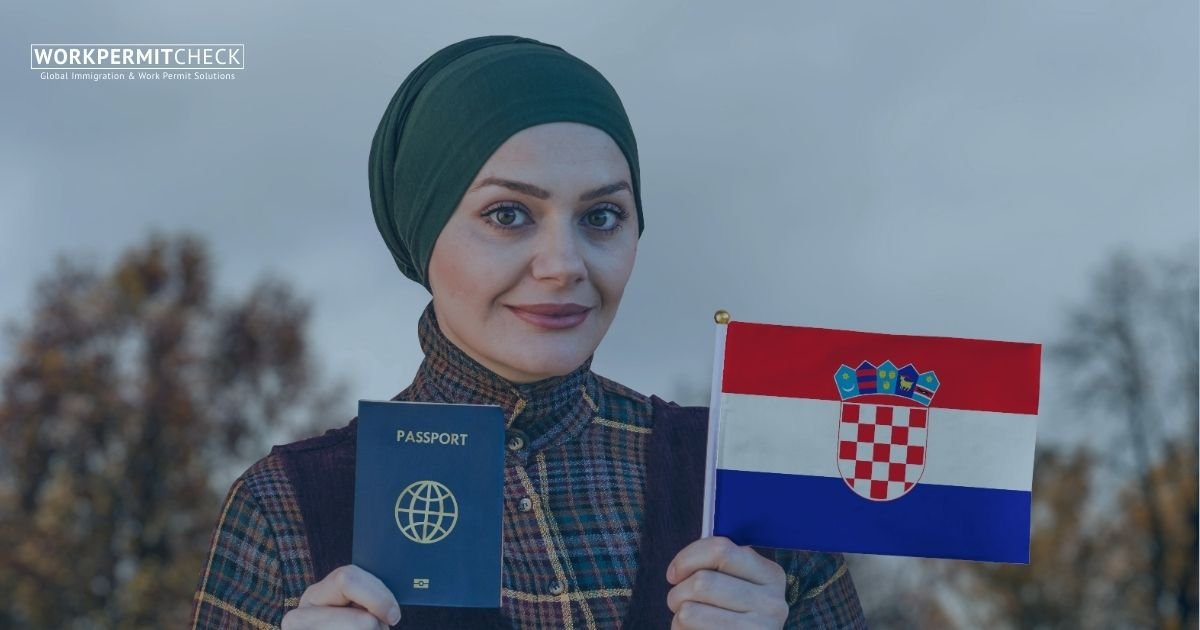
Croatia has become an attractive destination for foreign workers in recent years. With its growing tourism industry, construction projects, and expanding service sector, the country increasingly hires workers from outside the European Union.
The good news is that non-EU citizens can legally work in Croatia, but they must obtain a Croatian work permit and residence permit before starting employment.
Croatian employers often recruit workers from Asia, Africa, and other regions to fill labor shortages in industries such as construction, hospitality, manufacturing, and seasonal tourism.
Work Permit System in Croatia
Non-EU citizens who want to work in Croatia usually apply for a combined residence and work permit. This single permit allows a foreign worker to both live and work in Croatia legally.
In most cases, the Croatian employer sponsors the work permit and submits the application to the authorities on behalf of the employee.
The permit is usually issued for a specific job position and employer.
Who Can Apply for a Croatia Work Permit?
Non-EU citizens can apply for a work permit if they meet certain conditions.
Basic eligibility includes:
- A valid job offer from a Croatian employer
- Valid passport
- Relevant skills or experience for the job
- A signed employment contract
- No immigration violations or criminal record
Once approved, the worker can travel to Croatia and begin employment legally.
Jobs Available for Non-EU Workers in Croatia
Many sectors in Croatia regularly hire foreign workers because of labor shortages.
Common jobs for non-EU citizens include:
- Construction workers
- Hotel and restaurant staff
- Cleaners and housekeeping staff
- Kitchen assistants and chefs
- Factory and warehouse workers
- Agricultural workers
- Delivery drivers
- Seasonal tourism workers
Seasonal tourism jobs are especially common because Croatia receives millions of visitors each year.
Croatia Work Permit Application Process
The work permit process usually begins after a Croatian employer offers a job.
Typical steps include:
- Employer provides a job contract
- Employer submits a work permit application
- Authorities review the application
- Work permit and residence permit are approved
- Worker travels to Croatia and registers residence
Processing times may vary depending on the job type and documents provided.
Documents Required for Croatia Work Permit
Foreign workers usually need the following documents when applying for a Croatian work permit:
- Valid passport
- Employment contract
- Proof of accommodation
- Passport-size photographs
- Educational certificates or work experience proof
- Health insurance (in some cases)
Additional documents may be requested depending on the job.
Salary Expectations for Foreign Workers
Salaries in Croatia vary depending on the job sector and experience.
Approximate monthly salaries include:
|
Job Role |
Monthly Salary |
|
Construction Worker |
€900 – €1,400 |
|
Hotel Staff |
€850 – €1,300 |
|
Chef or Cook |
€1,200 – €2,000 |
|
Factory Worker |
€900 – €1,300 |
|
Driver |
€1,100 – €1,700 |
Many employers also provide accommodation, meals, or transport allowances, especially for seasonal jobs.
Benefits of Working in Croatia
Working in Croatia offers several advantages for foreign workers.
Key benefits include:
- Growing demand for international workers
- Opportunity to work in the European job market
- Lower cost of living compared to many Western European countries
- Seasonal and long-term job opportunities
- Experience working in a European environment
Croatia is also known for its safe cities, beautiful coastline, and welcoming tourism industry.
Can Croatia Work Permit Lead to Long-Term Stay?
A Croatian work permit is usually issued for up to one year, but it can be renewed if the job continues.
After living and working in Croatia legally for several years, foreign workers may become eligible for long-term residence permits, depending on immigration rules and employment status.
Final Thoughts
Yes, non-EU citizens can work in Croatia if they obtain a valid residence and work permit. With labor shortages in sectors like construction, hospitality, and tourism, Croatia continues to welcome foreign workers from many countries.
For people looking to gain work experience in Europe, Croatia can be a good starting point due to its growing job market and relatively straightforward work permit process.
March 5, 2026