.svg)

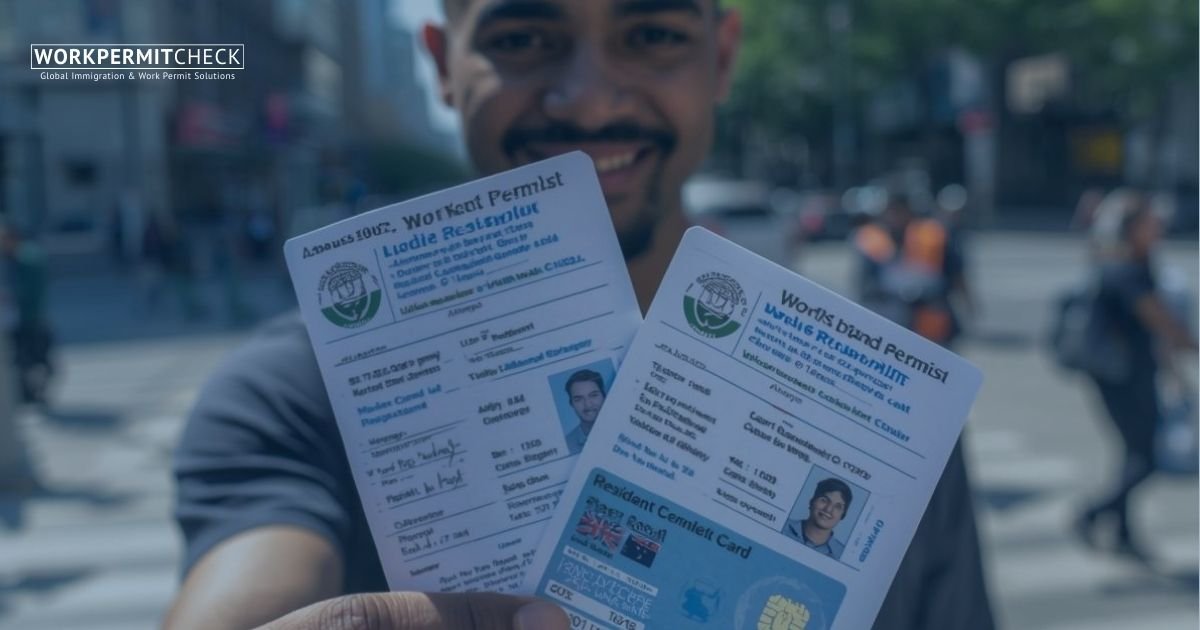
Yes, in many countries, a work permit can lead to permanent residence (PR). However, it is not automatic. You must meet certain requirements such as work experience, salary level, and legal stay duration.
Work permits are often the first step in a long-term immigration pathway.
What Is Permanent Residence?
Permanent residence allows a foreign national to live and work in a country permanently. It offers more stability than a temporary work permit.
Permanent residents usually get:
- Long-term or unlimited stay rights
- Freedom to work for any employer
- Access to social benefits
- Easier path to citizenship
However, PR holders are not full citizens yet.
How Work Permits Help You Qualify for Permanent Residence
Work permits help you build legal work experience, which is one of the main requirements for PR.
Here is how the process usually works:
1. Gain Legal Work Experience
Most countries require foreign workers to complete a minimum number of years working legally.
Examples:
- 2–5 years in many European countries
- 3–5 years in Canada
- 5 years in Germany for general workers (less for EU Blue Card holders)
- 5 years in the UK under Skilled Worker visa
Continuous employment is very important.
2. Maintain Valid Immigration Status
You must:
- Renew your work permit on time
- Follow visa rules
- Avoid illegal work
Any violation can delay or cancel your PR eligibility.
3. Meet Salary and Job Requirements
Many countries require:
- Minimum salary thresholds
- Skilled or qualified job positions
- Tax payments and social contributions
These show that you are contributing to the country’s economy.
4. Meet Language and Integration Requirements
Some countries require proof of:
- Basic language skills
- Knowledge of local laws and culture
- Clean criminal record
This helps ensure successful integration.
Countries Where Work Permits Commonly Lead to PR
Germany
Foreign workers can apply for PR after 5 years. EU Blue Card holders may qualify in 21–33 months.
Canada
Work permit holders can apply for PR through programs like Express Entry or Provincial Nominee Programs.
United Kingdom
Skilled Worker visa holders can apply for Indefinite Leave to Remain after 5 years.
Australia
Temporary Skill Shortage visa holders can qualify for permanent residency after meeting requirements.
Ireland
Critical Skills Employment Permit holders can apply for permanent residency after 2 years.
Types of Work Permits That Offer PR Pathways
These work permits often lead to PR:
- Skilled worker permits
- EU Blue Card
- Critical skills permits
- Employer-sponsored work permits
- Temporary skilled shortage visas
Low-skilled or seasonal permits may have limited PR pathways.
Benefits of Getting Permanent Residence After a Work Permit
Permanent residence gives you:
- Job flexibility
- No need for work permit renewal
- Long-term security
- Family sponsorship options
- Easier access to citizenship later
This improves your quality of life and career opportunities.
Situations Where Work Permits May Not Lead to PR
Some work permits are temporary and may not lead directly to permanent residence.
Examples include:
- Seasonal work permits
- Short-term contracts
- Internship or trainee permits
- Domestic worker permits in some countries
However, you may still switch to another visa category later.
Tips to Increase Your Chances of Getting PR
Follow these important steps:
- Maintain continuous employment
- Pay taxes regularly
- Learn the local language
- Avoid immigration violations
- Upgrade your skills
- Renew permits on time
Planning early helps ensure success.
Frequently Asked Questions
Does every work permit lead to permanent residence?
No, only certain work permits offer a clear PR pathway.
How long does it take to get PR from a work permit?
Usually between 2 and 5 years, depending on the country.
Can low-skilled workers get PR?
Yes, in some countries, but it may take longer.
Do I need the same employer to get PR?
Not always. Some countries allow job changes.
Can PR lead to citizenship?
Yes, permanent residence is often the first step toward citizenship.
Does salary affect PR eligibility?
Yes, many countries require minimum salary levels.
Can PR be rejected even after working for years?
Yes, if requirements are not fully met.
Is permanent residence better than a work permit?
Yes, it offers more freedom and long-term security.
Final Thoughts
Work permits often serve as the foundation for permanent residence. By working legally, paying taxes, and meeting immigration requirements, foreign workers can build a secure future abroad.
Always check the specific immigration rules of your destination country and plan your career path carefully.
February 16, 2026