.svg)


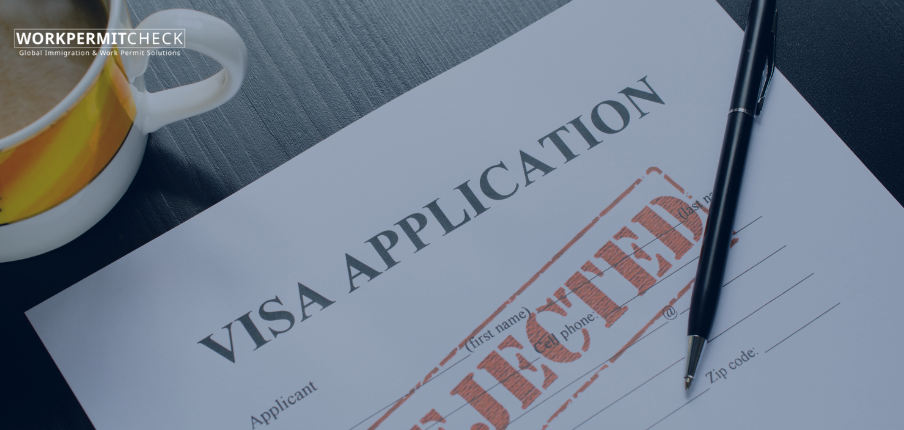
Portugal has become one of Europe’s most attractive destinations for foreign workers due to its growing economy, scenic lifestyle, and stable work environment.?However, not all applicants are successful when applying for a Portugal work visa.?Understanding the common reasons for visa rejections can help you avoid mistakes and improve your chances of approval.
This guide highlights the most frequent causes for Portugal work visa refusals and how to prevent them.
1. Incomplete or Incorrect Documentation
One of the main reasons for Portugal work visa rejection is missing or inaccurate documents.?Visa officers rely heavily on documentation to verify eligibility, so incomplete files often lead to automatic denial.
Common document-related mistakes include:
• Missing employment contract or job offer letter.
• Failure to provide proof of qualifications or experience.
• Incorrect or expired passport.
• Missing police clearance certificate.
• Missing proof of accommodation or health insurance.
Tip: Always follow the official checklist from the Portuguese consulate or VFS Global and ensure all documents are translated and legalized when required.
2. Invalid or Unverified Job Offer
Portugal’s work visa is issued only for genuine and verified employment offers.?If authorities suspect that the job offer is not legitimate or that the employer has not complied with local labor regulations, your application may be refused.
Possible reasons include:
• Employer not registered in Portugal.
• Job position not meeting visa eligibility requirements.
• Salary below the legal threshold.
• Contract not signed or improperly formatted.
Tip: Confirm that your employer is registered with Portugal’s Autoridade para as Condições do Trabalho (ACT) and that your contract meets minimum wage and work standards.
3. Insufficient Financial Means
Applicants must show that they have enough funds to support themselves during the initial period in Portugal until they start receiving a salary.
Visa rejections often occur when:
• The applicant fails to show recent bank statements.
• Funds are insufficient or unverifiable.
• Financial documents appear inconsistent.
Tip: Present official bank statements with clear balances and avoid last-minute deposits that could raise suspicion.
4. Criminal Record or Security Concerns
A valid police clearance certificate (PCC) is mandatory for work visa applications.?If your background check reveals criminal activity or unresolved cases, your visa is likely to be denied.
Tip: Obtain a clean criminal record certificate from your home country and all countries where you have lived for the past five years.
5. Health Insurance or Medical Issues
All foreign workers must have valid travel or health insurance covering medical expenses in Portugal.?Applications may be rejected if:
• The insurance coverage is too limited.
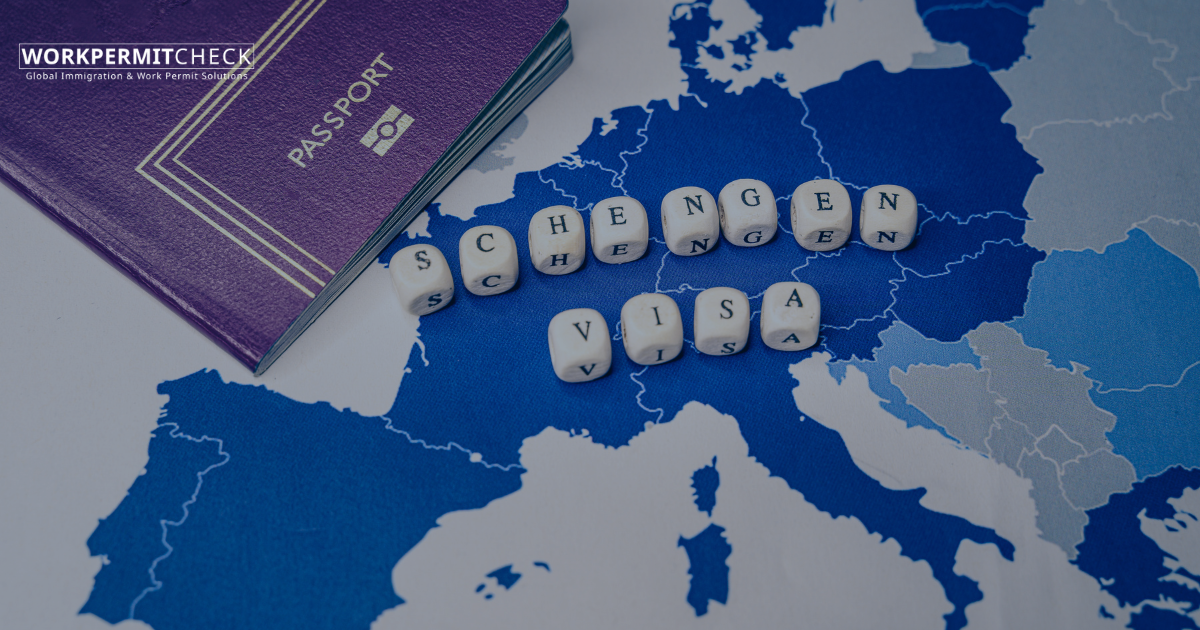
• The policy does not meet Schengen requirements.
• There are concerns about your medical fitness for employment.
Tip: Purchase comprehensive health insurance valid throughout Portugal and submit proof with your visa application.
6. Failure to Meet Qualification Criteria
Portugal issues work visas primarily for applicants with relevant skills, education, or experience matching the job role.?Applications are often refused when:
• The applicant’s qualifications do not match the job requirements.
• Degrees or certificates are not recognized in Portugal.
• Professional licenses are missing for regulated jobs (e.g., doctors, engineers, electricians).
Tip: Verify your degree or professional qualifications through DGES Portugal (Direção-Geral do Ensino Superior) before applying.
7. Inconsistencies in Information Provided
Even small inconsistencies can lead to doubts about credibility.?Visa officers carefully cross-check your application details, including employment history, financial data, and accommodation proof.
Tip: Ensure all information — from your job offer to your residence address — is consistent across documents and matches your application form.
8. Employer Non-Compliance or Documentation Delays
Sometimes, the issue lies not with the applicant but with the employer’s compliance.?If your employer fails to submit necessary documents to Portuguese authorities (like SEF or IEFP), your visa could be delayed or rejected.
Tip: Choose verified employers who have successfully sponsored foreign workers before.
9. Overstaying or Previous Immigration Violations
Applicants with a history of visa overstays, unauthorized work, or previous Schengen violations face a higher risk of rejection.
Tip: Always maintain legal status in every Schengen country and include supporting documents showing past compliance (e.g., valid exit stamps).
10. Recent Policy or Regulatory Changes
Portugal has recently introduced new immigration reforms, including the abolition of the job-seeker visa in 2025.?Delays in the new regulatory framework can lead to temporary rejections until the updated visa categories are fully implemented.
Tip: Check the latest updates from official government sources or the Portuguese Ministry of Foreign Affairs before submitting your application.
Key Takeaway
Most Portugal work visa rejections occur due to incomplete documentation, invalid job offers, financial or qualification issues, and inconsistent information.?By ensuring all documents are accurate, your job offer is legitimate, and your financial and legal status is clear, you can greatly improve your chances of approval.
Disclaimer
This article is for informational purposes only and does not constitute legal or immigration advice.?Visa requirements and eligibility conditions may change based on your nationality, visa type, or policy updates from the Portuguese Immigration and Borders Service (SEF).?Always verify the latest visa rules with your local Portuguese embassy or consulate before applying.
November 5, 2025